Welcome to the CWS Workshops
Two ways to learn, build, and implement the Community Welfare System framework, in real time, with real guidance.
Open Workshops
Learn the framework. Leave with the tool to start building it yourself.
The Open Workshop is where the Community Welfare System gets taught, from the ground up. What a CWS actually is, why it grows out of mutual aid instead of replacing it, and the four pillars that hold it up: shared leadership, resource pool, operational programs, and organized participation.
Every registration includes the CWS Pillar Implementation Worksheet ($10 value), sent directly to you as a download when you sign up. It's the six-page companion that walks through each pillar with real examples, and gives you the room to map your own: who could make up your decision-making core, what your resource pool is actually for, what pattern your community's needs already point to, and one real step you'll take in the next 30 days.
This is a building session. You'll leave understanding the framework and holding a real starting point to work from on your own, or with whoever you're building alongside.
This is for you if: you're community members or anyone doing care work who wants to understand what a Community Welfare System is and start mapping a community effort. Anyone with an idea forming. Whether you're a neighbor, an organizer, a social worker, or a first-time community leader.
We will:
Walk through the CWS Pillar Implementation Worksheet as a group
Think through your community's most urgent need together
Map what already exists around that need
Leave with a clear, focused first step

Implementation Workshops
Limited to 5 to 10 people per session. These sessions walk through the CWS Pillar Implementation Worksheet, all four pillars, with guided examples and group discussion. Every participant gets real, specific feedback on their plan.
Who this is for: Groups, organizing teams, and community leaders who have already been introduced to the framework and are ready to sit down together and start building.
Spots: 5 to 10 people per session.
Coming soon. Subscribe to our Calendar to be the first notified when these workshops go live!
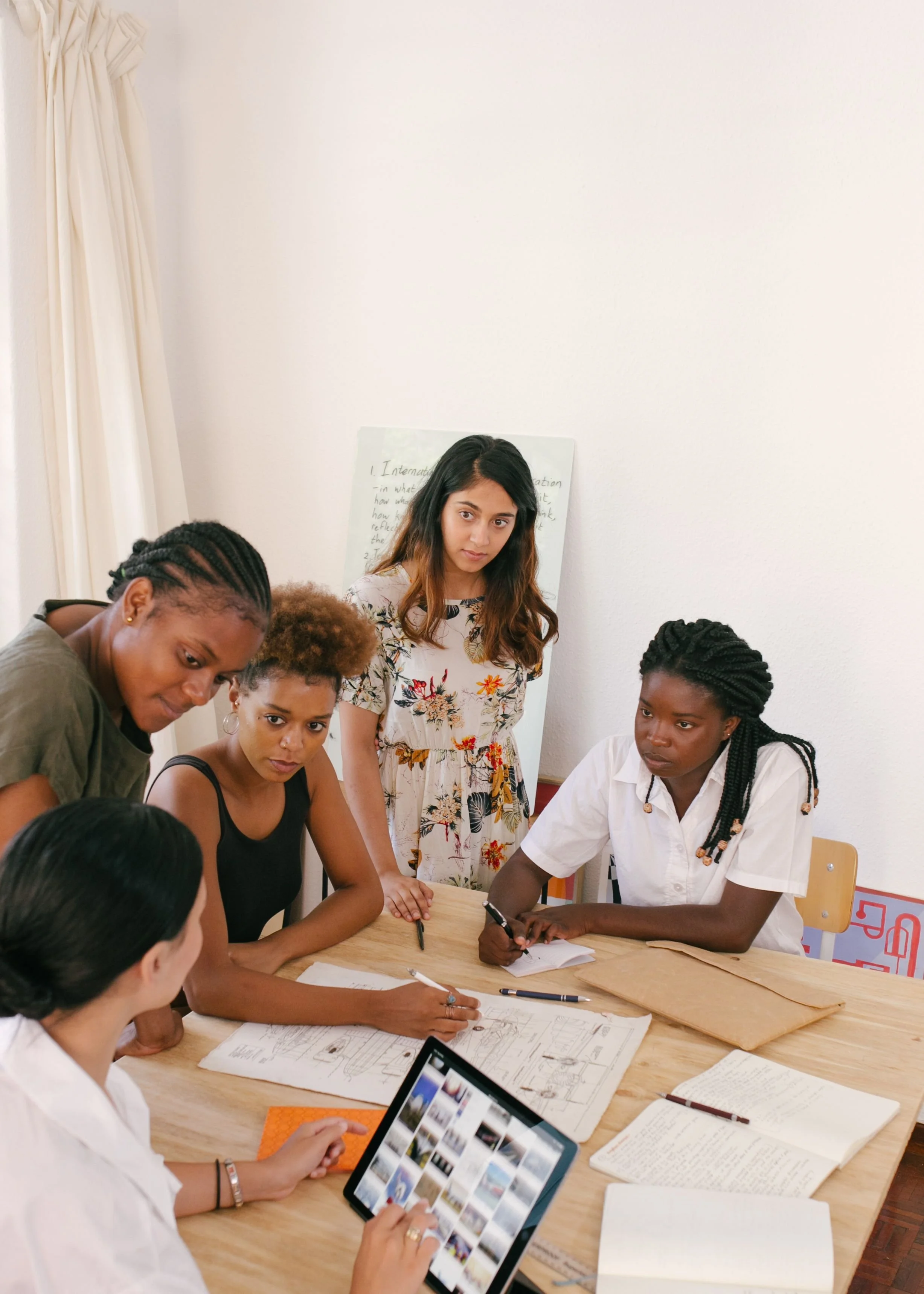
For foundations, city agencies, institutional teams, and organizations ready to build.
Why Organizations Choose Our Private Workshops
The Community Welfare System was built with the foundations of a mutual aid, but the structure underneath it: shared leadership, resource pooling, defined programs, real community participation, applies anywhere care and resources move through a group of people. Here's what a private workshop gives different kinds of organizations specifically.
-
Most nonprofits are running on the same pattern Seeds Worth Sowing started with: one or two people holding every decision, every dollar, every relationship. A private workshop takes your actual structure, your actual funding sources, your actual programs, and builds the governance and resource pool architecture underneath the work you're already doing, so it survives a hard month instead of stalling out because of one.
-
Foundations fund community organizations and often have no consistent way to assess whether a grantee has real structure underneath their work, or just one exhausted person holding it together. A private workshop can be used two ways here: building internal grantmaking structure for your own team, or as a technical assistance resource you offer grantees directly, a shared framework for evaluating and strengthening the organizations you already fund.
-
Agencies already have governance. What's usually missing is a community accountability layer sitting alongside it, a way for the people a program serves to see how decisions get made and push back when something isn't working. The toolkit also gives agencies a model for flexible, fast-moving funds that sit next to restricted grant dollars, and a way to justify new programs with real request data instead of assumption. Agencies can use this internally, or extend it to the community organizations they fund as part of grant compliance or capacity-building requirements.
-
If your firm or organization is advising nonprofits, coalitions, or community groups, a private workshop gives you a working knowledge of a structure your clients may already be building toward, or should be. It's also useful directly, for firms building their own pro bono coordination, mutual aid partnerships, or community investment structure with the same rigor they'd expect from any other organizational build.
-
You don't need a nonprofit or a formal structure to book a private workshop. If you're a group of neighbors, organizers of mutual aid efforts, or community members already doing the work informally, a private workshop walks your group through the same toolkit, live, to build the shared leadership and resource pool structure that turns what you're doing into something that outlasts any one person's capacity.

Private workshops are what we offer when an organization wants to build that structure with us in the room.
This is not a repeat of the free workshop with a higher price tag. A private session starts with an assessment of what your organization already has in place: your current leadership structure, how resources move, what programs exist, and where people are getting worn out trying to hold it together. From there, we walk through the toolkit's four pillars with your specific structure in front of us, not a generic example.
What that looks like in practice:
An honest read of your current structure. Where governance, resource pooling, programs, and participation already exist in your organization, and where the gaps are.
Working sessions through the implementation toolkit, together. Not handed to your team to complete alone. We build the governance agreement, the resource pool setup, the program design, side by side with the people who'll actually run it.
1:1 guidance for your specific constraints. A city agency has different limitations than a grassroots collective. A foundation moving grant dollars through this framework has different questions than a mutual aid network with three volunteers. We build around what's actually true for your organization.
Sessions run virtual or in person. Pricing is based on group size and scope, and every engagement starts with a conversation about what your organization needs before we scope anything.
This is for you if: you're past the "what is a Community Welfare System" conversation and need help actually building one inside your organization, with someone who's built this from the ground up sitting across from you while you do it.