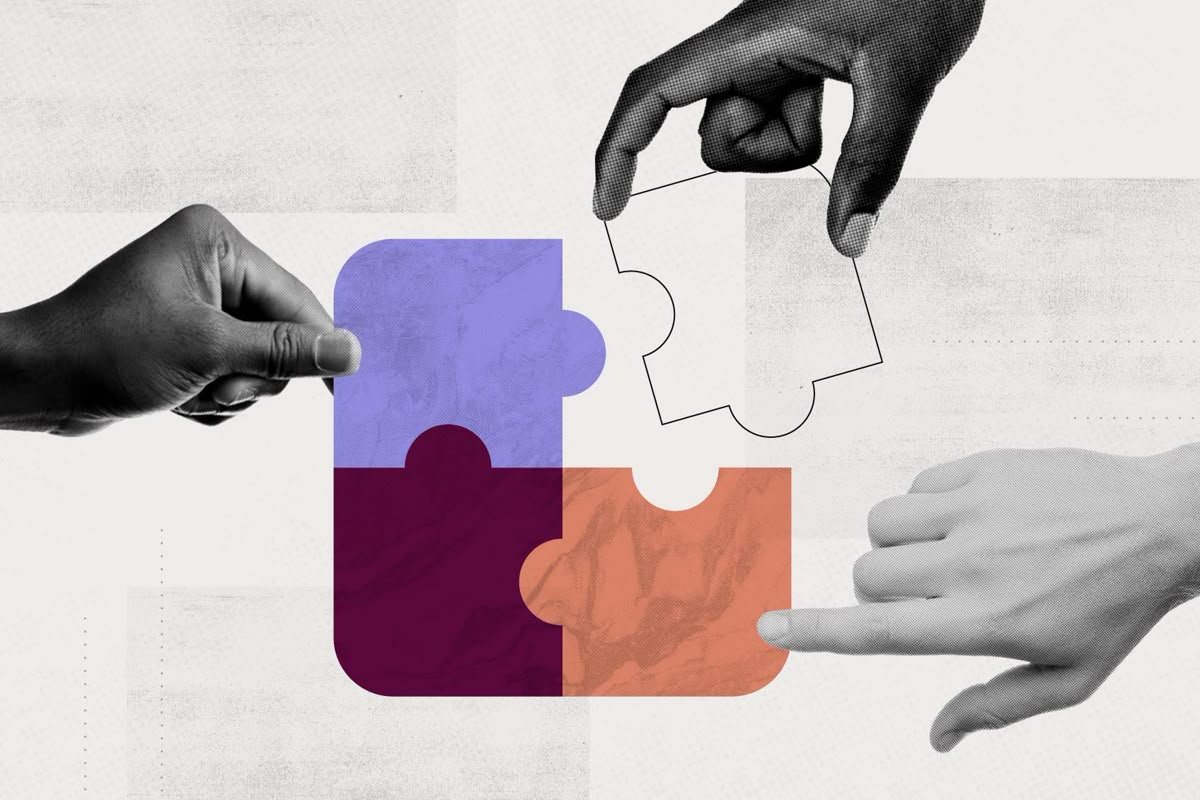
The Community Welfare System is not a new idea. It is a name for something communities have always known how to do.
This page explains what the framework is, where it comes from, how it works, and how communities are using it right now.
What is a Community Welfare System?
A Community Welfare System is a structured, sustainable, community governed network of care and resources that people build together to support one another, not just in moments of crisis, but consistently and over time.
It is not a charity. It is not a nonprofit program. It is not a government service. It is something a community builds and owns itself.
It grows out of the tradition of mutual aid, the practice of neighbors supporting neighbors that Black, Indigenous, and immigrant communities have practiced for generations. What the CWS framework adds is structure, sustainability, and shared governance so that the care does not collapse when one person burns out or one crisis passes.
Yes, we said welfare. Here is why.
We know what that word carries in America. Decades of political rhetoric turned welfare into a term associated with dependency, government overreach, and the erosion of community self sufficiency. Many people, especially in Black and brown communities, watched government welfare systems promise support and deliver surveillance, shame, and conditions that pulled families further apart rather than holding them together. That history is real and we do not dismiss it.
But we are not interested in abandoning a word because politicians misused it. We are interested in reclaiming what it actually means.
Welfare. The state of doing well. The health, happiness, and safety of a community. That is the literal definition and that is exactly what we are building toward.
The Community Welfare System framework is built on a belief that hard times are inevitable. Crisis will come. Loss will come. Illness, job loss, housing instability, grief. These are not failures of character. They are conditions of being human. The question is not whether your community will face them. The question is whether your community has a system ready to respond when they do.
What makes a CWS fundamentally different from a government welfare program is who holds it. Not a bureaucracy. Not a case manager with a caseload of two hundred. The community itself. When the people most affected by hard times are the ones designing, funding, governing, and delivering the response to those hard times, something different happens. People do not become dependent on a system from the outside. They become accountable to a system they built themselves.
That is not dependency. That is self determination.
We double down on the word welfare because we refuse to let fear of a word stop communities from building what they need. And we believe that when communities own their own systems of care, the result is not less responsibility. It is more. Because when the system is yours you have every reason to show up for it.
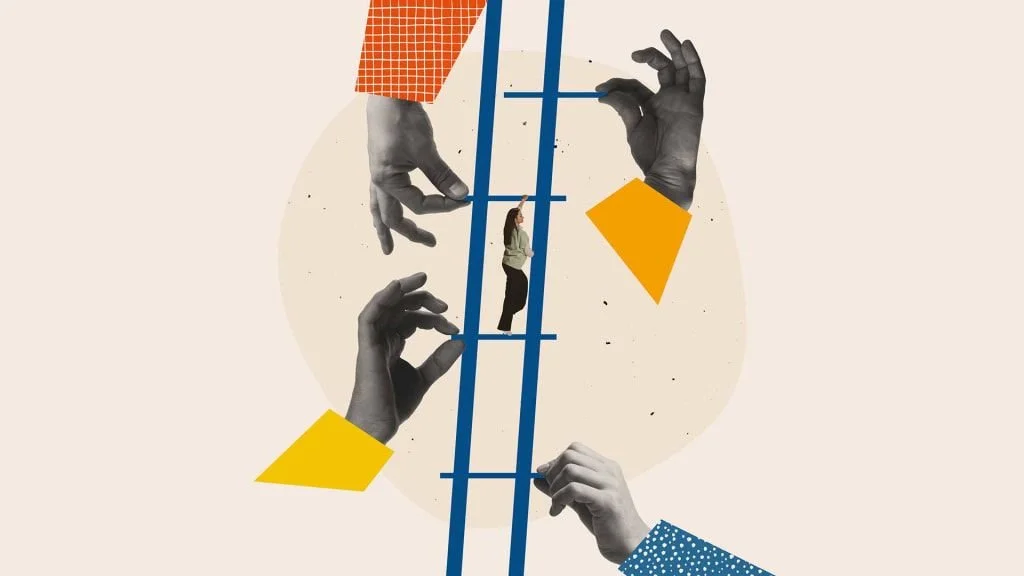
Built on mutual aid. Designed to last.
The practice of neighbors showing up for neighbors, pooling resources, sharing food, covering rent, sitting with someone in grief, checking on the elderly woman down the street, is not a trend or a movement moment. It is embedded in us. It is how human beings have survived and it is how communities have always reminded each other that we are responsible for one another. That interdependence is not weakness. It is one of the most powerful things a community can practice every single day.
The Community Welfare System framework does not replace that. It builds on it.
What mutual aid as it is commonly practiced today often lacks is not heart or commitment. It is structure and sustainability. Urgent crowdfunding, crisis only response, informal networks held together by one or two exhausted people. These forms of care depend on visibility and timing. If your post does not reach the right person, if the person who usually coordinates is burned out, if the moment passes before the help arrives, people fall through.
A Community Welfare System is what a community builds when it decides that the values of mutual aid deserve a structure worthy of them. It takes the interdependence, the responsibility for one another, the deep belief that we should be showing up for each other, and it builds a modern sustainable system around those values. One that is consistent, governed by the people it serves, funded in a way that lasts, and designed to still be running five years from now when the next crisis comes.
Because it will come. And your community deserves to be ready.
The Four Pillars of a Community Welfare System
-
![]()
Pillar 1: Shared Leadership
Rotational leadership. Responsibility is distributed across a group of implementers so that the system outlasts any one person, any one crisis, and any one season of capacity.
-
![]()
Pillar 2: Mutual aid resource pool
A community funded pool of resources, money, goods, or services that members can access when they need support. Transparent, consistently maintained, and not dependent on a viral moment to exist.
-
![]()
Pillar 3: Operational programs
Structured programs that sustain the work of the CWS and attract stable long term funding. Programs make the system legible to outside funders and partners while keeping care at the center.
-
![]()
Pillar 4: Organized Community Participation
People, skills, and resources organized with intention rather than improvised in the moment. Coordination prevents burnout and makes the system reliable.
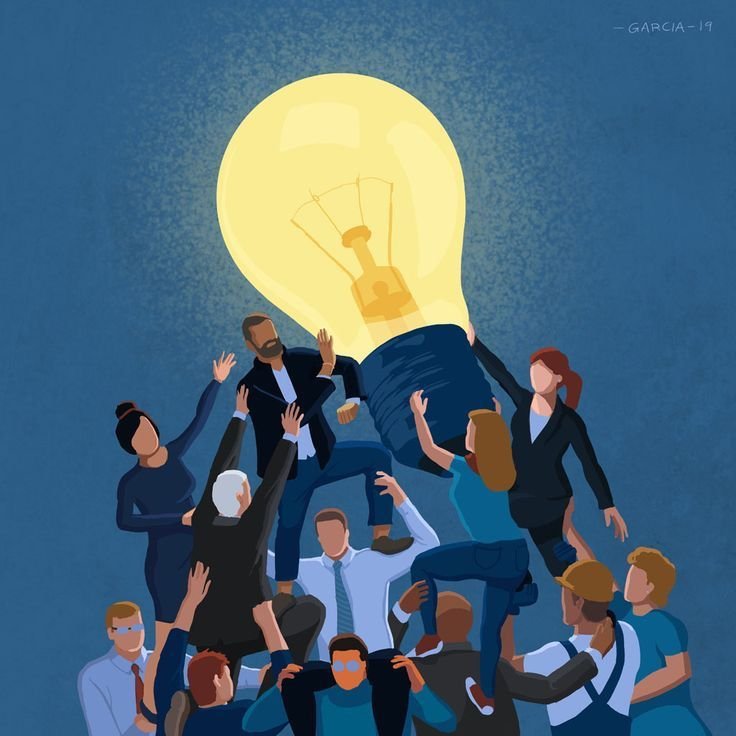

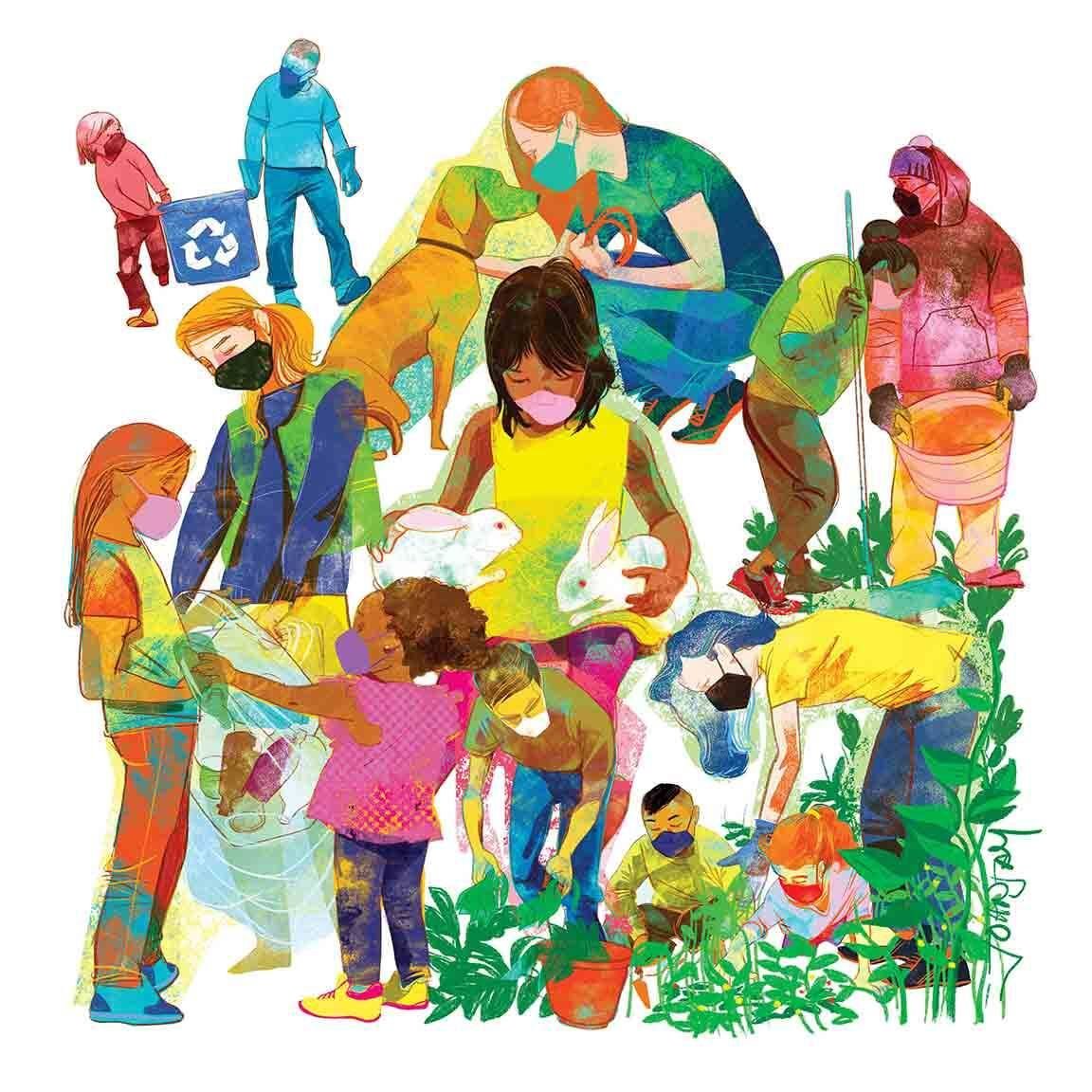
The Community Welfare System framework was developed by members of of Seeds Worth Sowing, out of six years of direct community welfare work in Minneapolis beginning in 2020.
But the ideas they are built on go back much further.
The tradition of Black mutual aid societies. The Freedom Quilting Bee. Fannie Lou Hamer's economic cooperatives. The Black Panther Party's survival programs. Ella Baker's model of participatory democracy. These are the lineages this framework draws from and is accountable to.
New to Community Welfare Systems?
Start with the free resources in the Commons. Guides, worksheets, and tools to help you understand the framework and begin thinking about your community.
Ready to build?
CWS Builder Network is a four week cohort that trains and certifies you in the framework. Small group. Live sessions. Real outcomes.